Understanding the Principles of Slow Tourism
As the world becomes increasingly aware of the environmental impact of travel, many tourists are shifting towards more sustainable practices. Slow tourism is an approach that emphasizes quality over quantity, allowing travelers to immerse themselves in local cultures while minimizing their ecological footprint.
What is Slow Tourism?
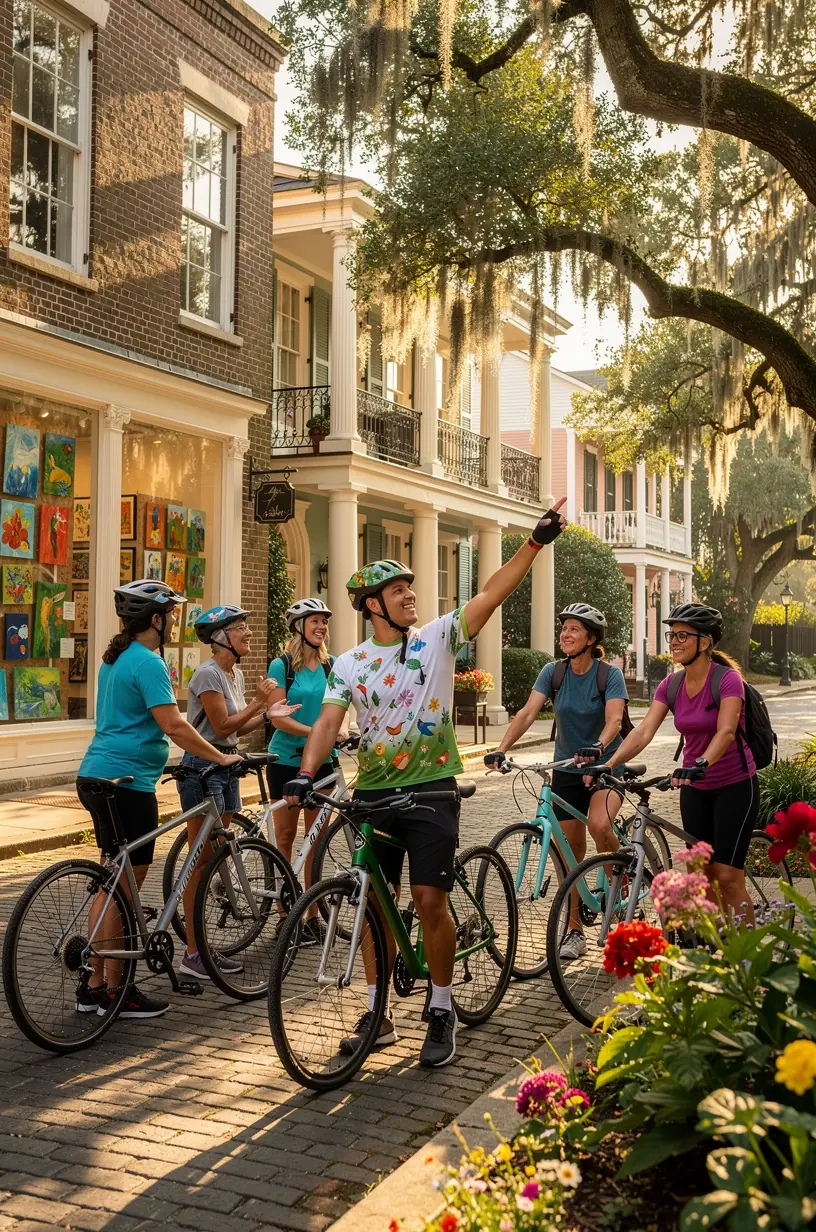
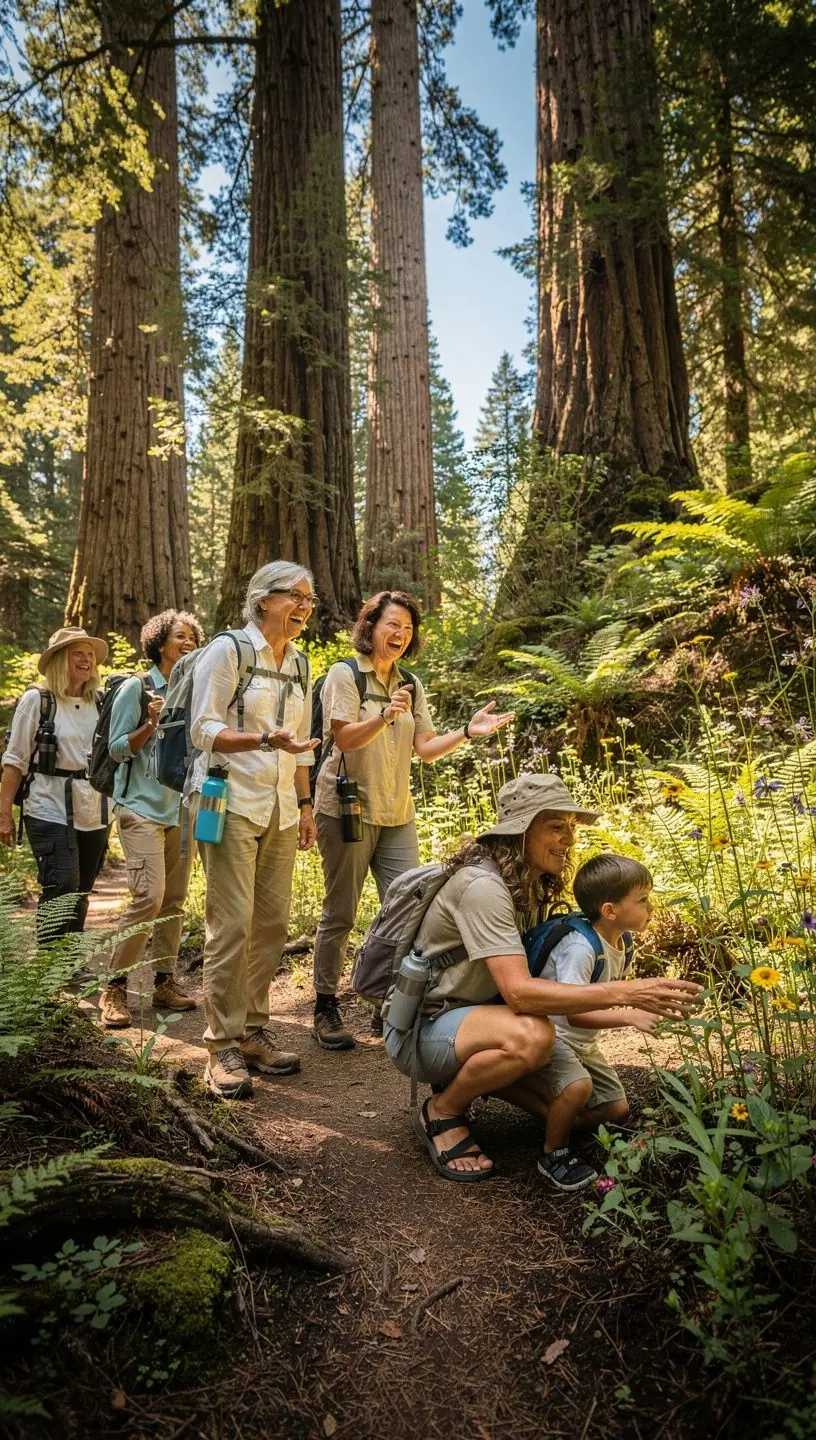
Slow tourism is a travel philosophy that encourages individuals to take their time while exploring new destinations. Rather than rushing through a packed itinerary, slow tourism focuses on connecting with the local culture, appreciating the environment, and fostering genuine experiences. According to experts in sustainable travel, this method often leads to a more fulfilling and memorable journey.
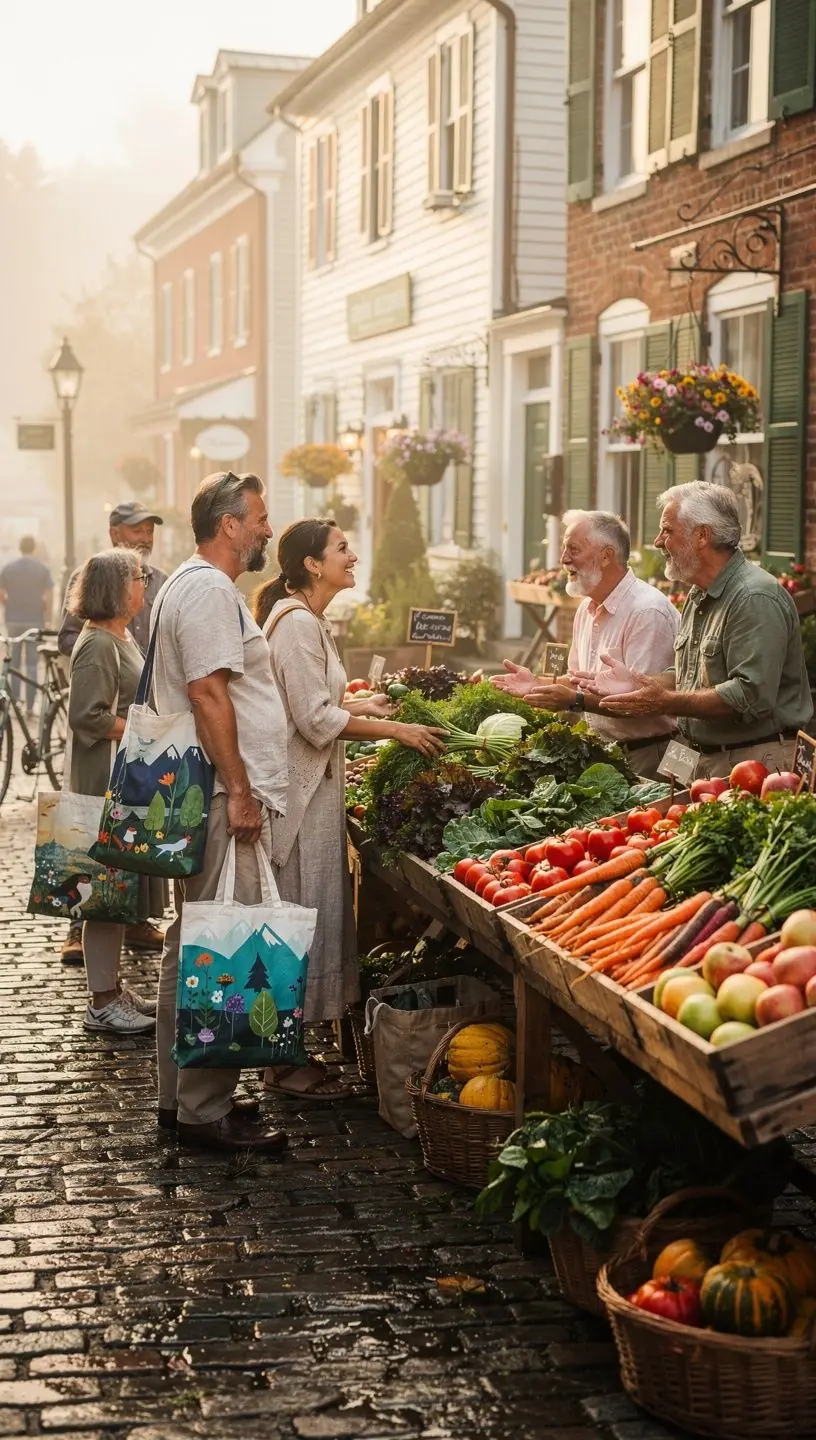
"Slow tourism promotes a deeper connection to place, enabling travelers to appreciate the nuances of local life." - Sustainable Travel Expert
Core Principles of Slow Tourism
- Local Engagement: Many advocates of slow tourism suggest that travelers should engage with local communities, which not only enriches the travel experience but also supports the local economy.
- Environmental Responsibility: Sustainable practices are emphasized, such as reducing waste, conserving water, and choosing eco-friendly accommodations. Studies show that travelers who adopt these practices can significantly decrease their environmental impact.
- Mindful Exploration: Slow tourists are encouraged to choose fewer destinations and spend more time in each, which allows for deeper connections and understanding of the locale.
Why Choose Slow Tourism?
According to research conducted by the Global Sustainable Tourism Council, tourists who engage in slow tourism report higher satisfaction levels compared to those who follow traditional fast-paced travel styles. This approach works because it allows for:
- A richer cultural experience, as travelers spend more time interacting with locals.
- Reduced stress, since there is no need to rush from one attraction to another.
- A greater awareness of the environmental impact of travel, fostering responsible behaviors.
How to Practice Slow Tourism
To fully embrace slow tourism, consider the following practical steps:
- Choose destinations that promote sustainability, such as eco-friendly resorts or communities that prioritize conservation.
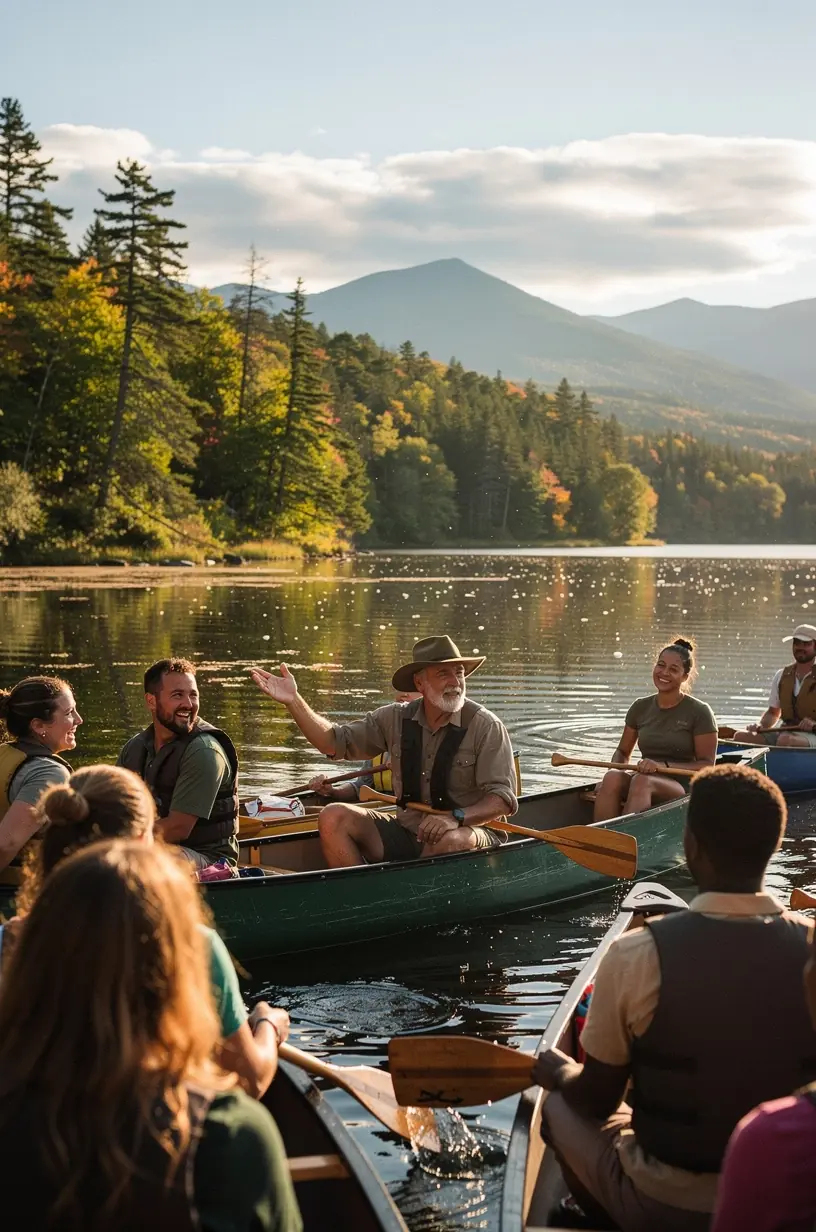
- Engage a local guide who can provide insights and context that enrich your experience. Many studies indicate that local guides can enhance understanding and appreciation of a destination.
- Plan for longer stays at each location, allowing yourself the time to explore different aspects of the culture and environment.
Conclusion
Slow tourism offers a meaningful alternative to traditional travel methods, aligning with the growing trend of eco-consciousness. By understanding and adopting the principles of slow tourism, travelers can enjoy a more immersive experience while also supporting local communities and protecting the environment. Whether you're a seasoned traveler or planning your first trip, embracing slow tourism can lead to memorable adventures that benefit both you and the places you visit.